




Choosing a career in healthcare and technology training can be an exciting opportunity for individuals who want to help others while working in a professional medical environment. One of the most popular entry-level healthcare and technology training careers in the United States is becoming a Medical Assistant.
A Medical Assistant supports physicians, healthcare and technology training teams, and patients by performing both clinical and administrative tasks. A typical day may include preparing examination rooms, checking patient information, recording vital signs, assisting during medical appointments, managing records, and communicating with patients and healthcare and technology training professionals.
Curious about what it takes to be a Medical Assistant? CHAC College offers a 9-month diploma program that provides students with the skills necessary to get hired as an entry-level Medical Assistant and the foundation to build a lasting career.
However, before deciding whether a Medical Assistant program with CHAC College is right for you, it is important to understand what the job actually looks like.
Learning about the daily routine, responsibilities, and work environment of a Medical Assistant can help you decide whether this healthcare and technology training career matches your goals, interests, and personality.
With that in mind, let’s explore a day in the life of a Medical Assistant and what professionals in this field can expect when working in healthcare and technology training settings.

Where Do Medical Assistants Work?
Medical Assistants work in a variety of healthcare and technology training environments where they support physicians and help medical facilities operate efficiently.
The main responsibility of a Medical Assistant is to assist healthcare and technology training providers while ensuring patients receive organized and professional care.
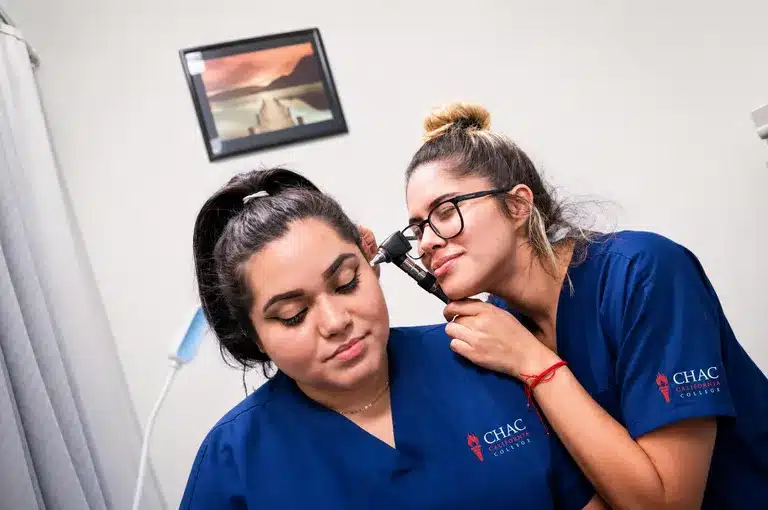
Common workplaces for Medical Assistants include:
- Physician offices
- Urgent care centers
- Outpatient centers
- Medical clinics
- Specialty healthcare and technology training practices
- Private healthcare and technology training facilities
The daily experience of a Medical Assistant can vary depending on the type and size of the healthcare and technology training facility.
For example, a Medical Assistant working in a small physician’s office may handle a combination of patient care and administrative responsibilities, while someone working in a larger healthcare and technology training facility may have more specialized duties.
The number of patients treated each day also affects the pace of work. Some clinics may have a steady schedule with routine appointments, while urgent care centers often require Medical Assistants to manage a faster and more unpredictable environment.
For individuals completing a medical assistant training program, exploring different healthcare and technology training facilities can be valuable when searching for employment opportunities. Each workplace provides unique experiences and opportunities to develop professional skills.
CHAC College also has a Career Services department dedicated to helping students find externship opportunities after completing the classroom portion of their curriculum, as well as assisting graduates with their transition into the workforce.
Start Your Medical Assistant Career Journey
Discover how a Medical Assistant program can help you build the skills, knowledge, and confidence needed to begin a career in the healthcare field.
Learn More About the Program →Who Do Medical Assistants Work With?
A Medical Assistant works as an important member of a healthcare and technology training team. When providing direct patient care, Medical Assistants work under the supervision of licensed healthcare and technology training and technology training professionals.
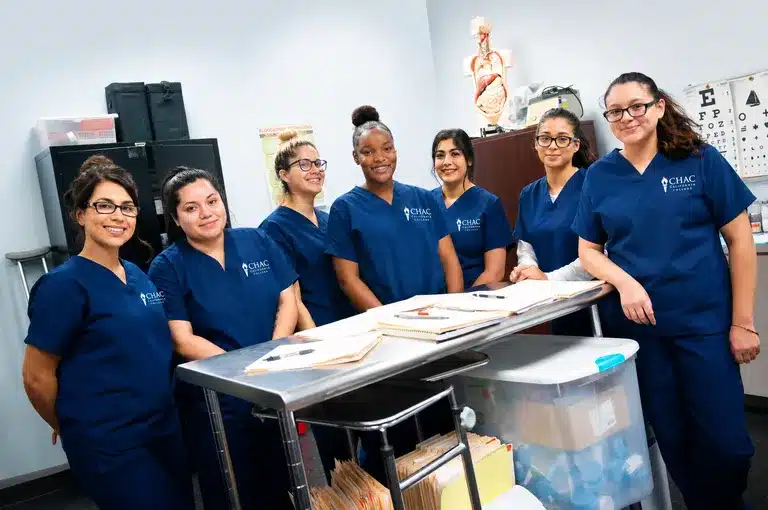
Medical Assistants commonly collaborate with:
- Physicians
- Registered nurses
- Nurse practitioners
- Physician assistants
Working alongside different healthcare and technology training professionals allows Medical Assistants to gain valuable experience and understand how medical teams work together to provide patient care.
In addition to clinical responsibilities, Medical Assistants often perform administrative tasks that help medical offices operate smoothly.
Because of this, Medical Assistants frequently interact with:
- Patients
- Healthcare and technology training providers
- Insurance companies
- Administrative staff
- Medical office managers
This combination of patient care and administrative work makes the Medical Assistant role unique. Professionals in this field are not only involved in clinical activities but also contribute to the overall organization and efficiency of healthcare and technology training facilities.
What Does a Medical Assistant Do Every Day?
One of the most common questions people ask before entering this profession is:
“What does a Medical Assistant do during a typical workday?”
The answer depends on the healthcare and technology training facility, but most Medical Assistants perform a combination of clinical and administrative duties.
A typical day begins with reviewing the facility’s schedule and preparing for upcoming appointments.
Starting the Day: Reviewing Patient Schedules and Preparing the Clinic

At the beginning of the day, Medical Assistants usually check the facility’s Electronic Medical Records (EMR) system to review scheduled patients.
This helps them understand:
- Which patients are arriving
- What appointments are scheduled
- What preparation may be needed
- How the physician’s day will be organized
After reviewing the schedule, Medical Assistants prepare examination rooms and make sure healthcare and technology training providers have the supplies and equipment needed for patient appointments.
Preparing the environment before patients arrive helps create a smoother experience for both medical staff and patients.
Daily preparation tasks may include:
- Organizing examination rooms
- Checking medical supplies
- Preparing equipment
- Reviewing patient information
- Ensuring rooms are clean and ready
Start Your Medical Assistant Career Journey
Discover how a Medical Assistant program can help you build the skills, knowledge, and confidence needed to begin a career in the healthcare field.
Learn More About the Program →Medical Assistant Responsibilities During Patient Appointments
Once patients begin arriving, Medical Assistants play an important role in guiding them through the healthcare and technology training process.
The first interaction often begins when the Medical Assistant brings patients from the waiting area into the examination room.
During this process, the Medical Assistant may:
- Welcome the patient
- Confirm personal information
- Review health history
- Ask about current concerns
- Document medications
- Collect important medical details
This information helps physicians better understand the patient’s condition before beginning the examination.
After gathering patient information, Medical Assistants typically measure and record vital signs, including:
- Blood pressure
- Temperature
- Pulse
- Weight
- Other basic health measurements
Accurate documentation is essential because physicians use this information when evaluating patients and making healthcare and technology training decisions.
Medical Assistant Clinical Duties and Daily Tasks
The responsibilities of a Medical Assistant can extend beyond patient interviews and vital signs.
Depending on the healthcare and technology training facility, Medical Assistants may also help with:
- Preparing examination rooms
- Organizing medical equipment
- Updating patient records
- Requesting medical documents from other facilities
- Assisting healthcare and technology training providers during procedures
- Explaining physician instructions to patients
The variety of responsibilities is one reason many people enjoy this career. Each day can bring different patients, different situations, and new opportunities to develop healthcare and technology training skills.
For individuals who enjoy working with people, staying active, and being part of a medical team, becoming a Medical Assistant can be a rewarding career choice.