



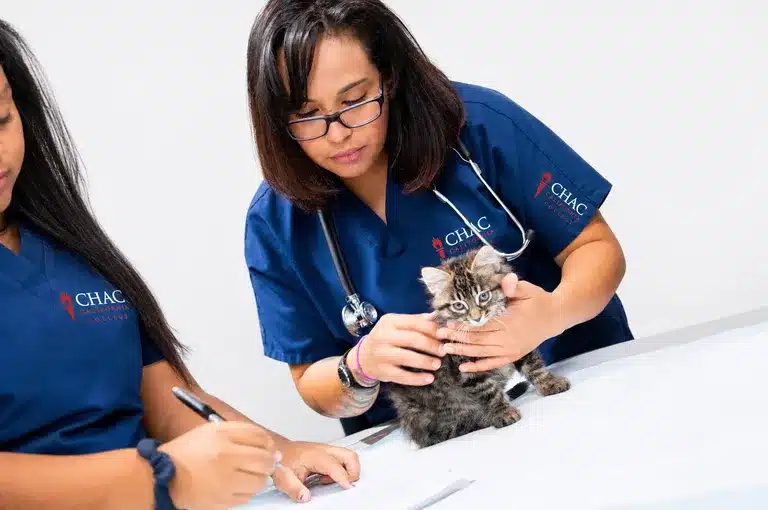
Working with animals every day may sound like a dream career, but becoming a Veterinary Assistant is much more than spending time with puppies and kittens. It is a professional healthcare role that requires compassion, responsibility, attention to detail, and a strong understanding of animal care.
Veterinary Assistants play an essential role in veterinary clinics and hospitals by supporting veterinarians, caring for patients, assisting with medical procedures, and helping create a safe environment for animals and their owners.
For people who love animals and want to build a career in animal healthcare, becoming a Veterinary Assistant can be a rewarding path filled with meaningful experiences. California Healing Arts College in Carson, California, provides hands-on training designed to help students develop the skills needed to begin working in veterinary settings.
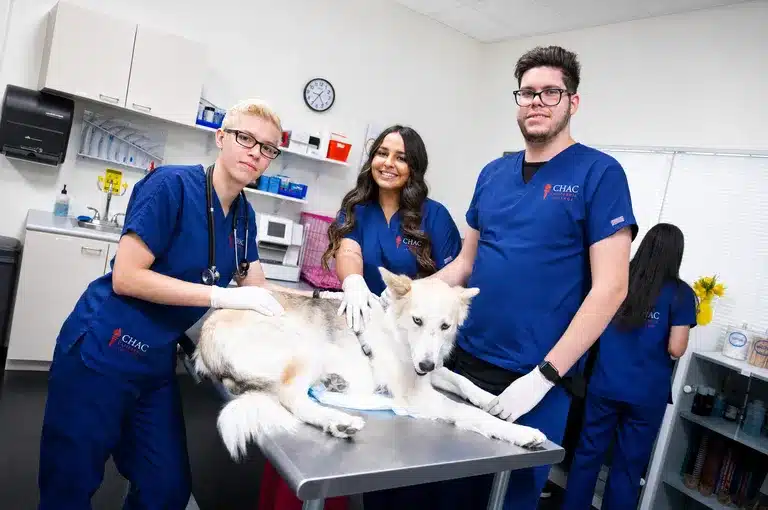
What Does a Veterinary Assistant Do Every Day?
A Veterinary Assistant’s daily responsibilities can vary depending on the clinic, hospital, and patients they are caring for. No two days are exactly the same because every animal has different needs, health conditions, and treatment requirements.
A typical day may include:
- Preparing examination rooms
- Caring for hospitalized animals
- Checking vital signs
- Assisting veterinarians during examinations
- Preparing animals for surgery
- Supporting diagnostic procedures
- Communicating with pet owners
- Maintaining clean and organized treatment areas
Veterinary Assistants are often the first team members to interact with patients during their visit. Their role is extremely important because they help ensure animals receive proper care and attention throughout the treatment process.
Build Your Future as a Veterinary Assistant
Gain practical skills and hands-on experience through CHAC’s Veterinary Assistant training program.
Learn More About the Program →Starting the Day as a Veterinary Assistant
Many Veterinary Assistants begin their workday early, especially those scheduled as the clinic’s “opener.” The opener is responsible for preparing the veterinary facility before the busy schedule begins.
Opening responsibilities may include:
- Turning on computers and medical equipment
- Preparing diagnostic machines
- Checking treatment areas
- Organizing supplies
- Reviewing patient schedules
- Preparing the clinic for appointments
The morning routine is not only about preparing the workplace. One of the most important responsibilities is checking on animals that stayed overnight at the veterinary hospital.
Many hospitalized animals are recovering from illness, injury, or medical procedures. Veterinary Assistants must carefully evaluate their condition, provide comfort, and communicate important updates to the veterinary team.

Caring for Hospitalized Animals: Veterinary Assistant Responsibilities
A major part of a Veterinary Assistant’s role is monitoring animals that require continued care.
Morning assessments, sometimes called “rounds,” involve reviewing each patient’s condition and documenting important information in medical records.
During rounds, Veterinary Assistants may:
- Check vital signs
- Record patient observations
- Clean cages and treatment areas
- Monitor eating and drinking habits
- Observe bathroom activity
- Provide fresh bedding
- Offer food and water
- Administer scheduled medications under proper supervision
After documenting patient information, Veterinary Assistants may help walk dogs, provide comfort, and continue monitoring their behavior and recovery progress.
These daily tasks require patience and attention because animals cannot explain their symptoms like human patients can. A Veterinary Assistant must recognize changes in behavior, appetite, movement, or overall condition and report concerns to the veterinarian.
Veterinary Assistant Role During Surgical Procedures
Surgical preparation is one of the most important areas where Veterinary Assistants support the veterinary team.
Before surgery, pets typically arrive at the clinic with their owners for check-in. The Veterinary Assistant helps collect important information and prepares the patient for the procedure.
The check-in process may include:
- Recording the pet’s weight
- Checking temperature and vital signs
- Reviewing medical history
- Asking questions about symptoms or recent changes
- Completing pre-surgery paperwork
- Preparing the patient for examination
Veterinary Assistants also help explain the process to pet owners and provide reassurance during what can be a stressful experience.
Once the patient is prepared, additional responsibilities may include:
- Collecting samples for testing
- Preparing equipment
- Assisting with catheter placement
- Preparing surgical areas
- Helping with patient monitoring
During surgery, Veterinary Assistants support veterinarians by helping monitor patients and ensuring the animal remains stable before, during, and after the procedure.
After surgery, they continue monitoring recovery, checking vital signs, and making sure the patient wakes up safely without complications.
What Happens During a Veterinary Appointment?
Veterinary clinics handle many different types of appointments every day. These may include routine wellness examinations, vaccinations, follow-up visits, or emergency concerns.
A Veterinary Assistant plays an important role before, during, and after each appointment.
After a client checks in, the Veterinary Assistant typically begins the process of preparing the patient for examination.
This may involve:
- Welcoming the pet and owner
- Escorting them to an examination room
- Evaluating the animal’s behavior
- Recording weight and vital signs
- Gathering important medical history
Because animals cannot communicate pain or discomfort verbally, collecting detailed information from the owner is a critical part of the examination process.
Veterinary Assistants may ask questions such as:
- Has your pet been eating normally?
- Have you noticed changes in behavior?
- When did symptoms begin?
- Has there been a recent change in diet?
- Has your pet experienced vomiting, coughing, limping, or other symptoms?
The information collected helps the veterinarian better understand the patient’s condition and determine the appropriate next steps.
Build Your Future as a Veterinary Assistant
Gain practical skills and hands-on experience through CHAC’s Veterinary Assistant training program.
Learn More About the Program →Supporting Veterinarians During Patient Examinations
Veterinary Assistants work closely with veterinarians during appointments.
Their responsibilities may include:
- Helping safely restrain animals
- Comforting nervous or anxious pets
- Preparing medical tools
- Recording examination notes
- Assisting with procedures
- Communicating important information
After the examination, veterinarians may create a treatment plan that includes recommendations such as medications, vaccines, diagnostic tests, or additional services.
Veterinary Assistants often help explain the next steps to pet owners and assist with completing recommended care.
How to Become a Veterinary Assistant
Many people who love animals wonder how to become a Veterinary Assistant and what training is required to start this career.
A successful Veterinary Assistant needs a combination of technical knowledge and personal skills, including:
- Animal handling skills
- Basic medical knowledge
- Communication abilities
- Organization
- Compassion and patience
- Attention to detail
A professional Veterinary Assistant training program helps students understand animal care procedures, veterinary terminology, clinical practices, and workplace expectations.
At California Healing Arts College, students receive career-focused training that combines online learning with hands-on laboratory experience to prepare them for real veterinary environments.
Build Your Future as a Veterinary Assistant
Gain practical skills and hands-on experience through CHAC’s Veterinary Assistant training program.
Learn More About the Program →Veterinary Assistant Training at California Healing Arts College
The Veterinary Assistant Program at California Healing Arts College is designed to prepare students for real-world veterinary workplaces.
The program focuses on practical skills that Veterinary Assistants use every day, including:
- Animal care procedures
- Clinical support skills
- Veterinary office operations
- Patient handling
- Medical terminology
- Laboratory procedures
- Surgical assistance
Students receive hands-on training in a supportive learning environment, helping them build confidence before entering professional settings.