



If you want to become a massage therapist in California, you may quickly run into confusing information.
California does not currently issue a statewide massage therapy license. Instead, the California Massage Therapy Council, commonly known as CAMTC, offers voluntary certification to massage professionals who meet its requirements. Local cities and counties may also have their own requirements.
That makes choosing the right education especially important.
This guide explains the process step by step, including the current CAMTC requirements for massage therapists in California, the education you need, what certification involves, how long training may take and what to look for when choosing a massage therapy school.
How to Become a Massage Therapist in California: The Short Answer
For many people pursuing professional massage therapy in California, the pathway looks like this:
- Be at least 18 years old.
- Choose a massage therapy program whose education qualifies for CAMTC certification.
- Complete the required massage therapy education and hands-on training.
- Graduate and have your official transcript submitted to CAMTC.
- Complete a Live Scan fingerprint background check.
- Submit your CAMTC certification application and required fee.
- Meet any additional local requirements that may apply where you plan to work.
- Begin pursuing massage therapy employment or building your professional practice.
For CAMTC certification, applicants currently need at least 500 hours of qualifying massage education from a CAMTC-approved school program, including required instruction in core subjects.
But there is an important distinction you should understand before choosing a school.
Start Your Massage Therapy & Physical Therapy aide Career
Develop professional skills through hands-on training designed for today’s healthcare industry.
Learn More About the Program →Step-by-Step: How to Become a Certified Massage Therapist in California
Now let’s put everything together.

Step 1: Research the career
Before enrolling, understand what massage therapists actually do.
Massage therapy can be physically demanding and involves frequent one-on-one interaction with clients. Successful therapists need communication skills, professionalism, physical awareness and the ability to maintain appropriate boundaries.
If that kind of work appeals to you, move to the next step.
Step 2: Find a CAMTC-approved massage therapy program
Use CAMTC’s approved-school directory and verify the specific campus and program, not merely the school name.
This is one of the most important decisions in the process.
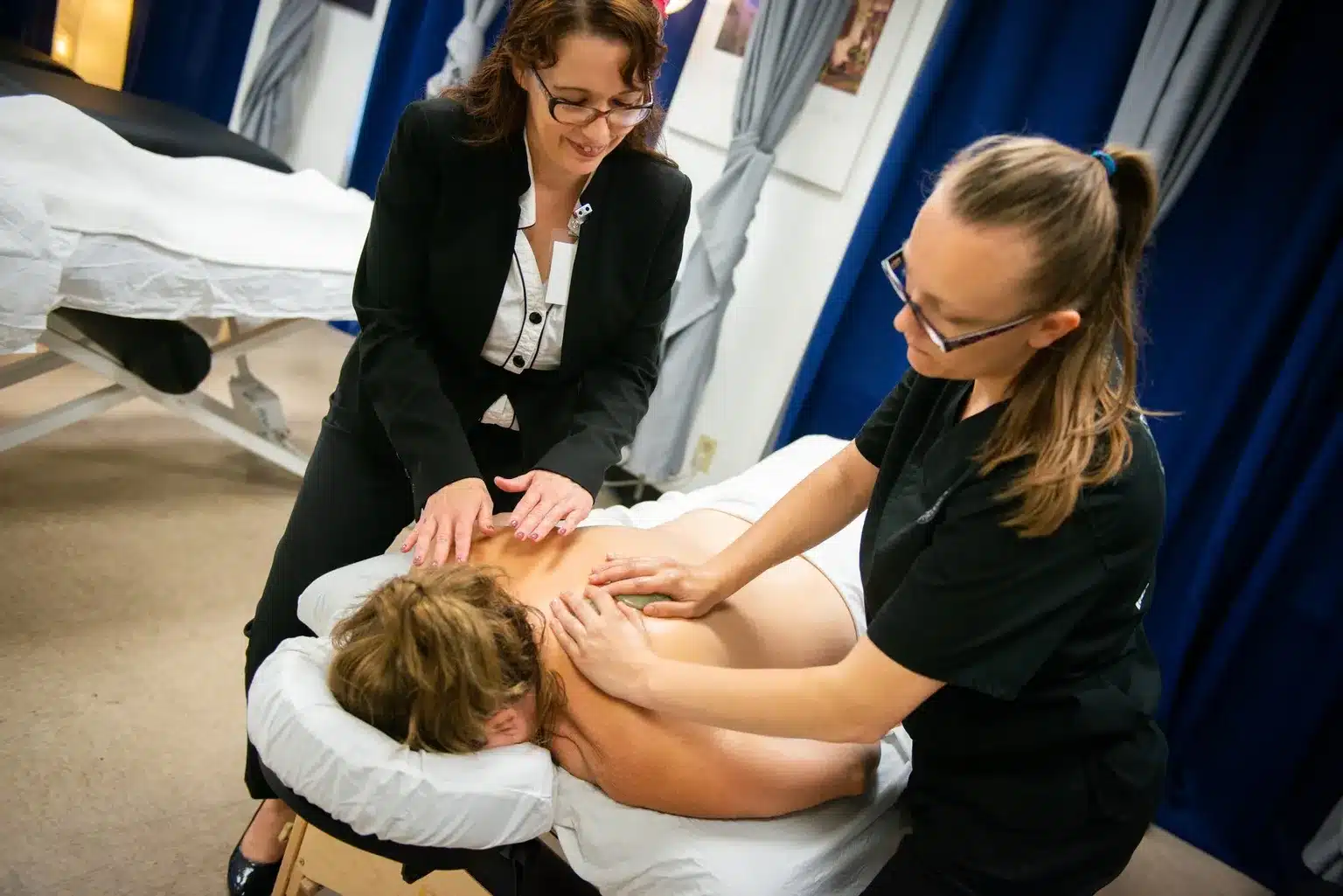
Step 3: Complete your massage therapy training
Build both theoretical knowledge and practical skills. Do not approach training only as a requirement that needs to be checked off.
These are the skills you may soon use with real people.
Step 4: Complete hands-on practice and real-world training
This is where education begins turning into professional ability. Repeated supervised practice can help students improve:
- Body mechanics
- Pressure control
- Client positioning
- Draping
- Communication
- Session planning
- Professional confidence
At CHAC, students in the Massage Therapist & Physical Therapy Aide program also complete a 240-hour externship.
Step 5: Complete the CAMTC application process
Once you have met the applicable education requirements, follow CAMTC’s current application instructions.This includes requirements such as your application, certification fee, official school transcripts and Live Scan/background check.
Step 6: Check local requirements
Even with statewide CAMTC rules, local business or establishment requirements can still matter. If you plan to work independently, operate a massage business or work from a particular location, check requirements with the relevant city or county.
Step 7: Prepare for your first massage therapy job
Your first professional role may look very different depending on your interests. Massage therapists can work in settings such as:
- Massage practices
- Spas
- Wellness centers
- Chiropractic offices
- Healthcare-related settings
- Fitness and sports environments
- Resorts
- Private practice
Your education should prepare you not only to perform techniques but also to communicate with clients and function professionally within these environments.
Discover Career Opportunities in Healthcare
CHAC helps students gain practical skills and knowledge to prepare for careers in the healthcare industry.
Discover Programs →Do You Need a Massage Therapy License in California?
Technically, California does not have a statewide massage therapist license. This is one of the most misunderstood parts of becoming a massage therapist in California.
Instead of state licensure, California has a voluntary certification system administered by the California Massage Therapy Council (CAMTC).
CAMTC states that certification is not required by California state law simply to practice massage. However, individual cities and counties may impose local requirements, and some jurisdictions may require CAMTC certification. CAMTC certification can also allow qualifying professionals to practice across California cities and counties without obtaining individual local massage permits for providing massage for compensation.
Massage therapist license vs. CAMTC certification
Think of the difference this way:
| California State License | CAMTC Certification |
|---|---|
| California does not currently issue a statewide massage therapy license | CAMTC provides a statewide-recognized certification |
| Not available as a traditional state professional license | Voluntary under state law |
| Local rules may still apply | Can simplify working across California jurisdictions |
| — | Required to legally use certain protected professional titles |
California law also restricts the use of titles such as Certified Massage Therapist, Certified Massage Practitioner, CMT and CMP to appropriately certified individuals.
Why Choosing a CAMTC-Approved Massage School Matters
Not every massage therapy course automatically satisfies the education requirements for CAMTC certification.
CAMTC generally accepts California massage education for certification from CAMTC-approved school programs.
Before enrolling, check:
- Is the specific school location CAMTC approved?
- Is the specific massage program approved?
- How many supervised clock hours does the program include?
- How much hands-on massage practice is included?
- Will the school send the required official transcript directly to CAMTC?
- Does the curriculum go beyond the minimum and prepare you for actual work with clients?
This step matters because discovering after graduation that your education does not qualify can create a major obstacle to certification.
Your Next Step Toward Becoming a Massage Therapist in California
Becoming a massage therapist in California is not simply about completing the minimum number of hours.
It is about building the knowledge and hands-on ability required to work confidently and professionally with real clients.
Start by choosing a program that meets the educational requirements relevant to your goals. Then look deeper: How much will you actually practice? Will you work with instructors in person? Will you gain real-world experience? And will someone help you understand what comes after graduation?
Start Your Massage Therapy & Physical Therapy aide Career
Develop professional skills through hands-on training designed for today’s healthcare industry.
Learn More About the Program →
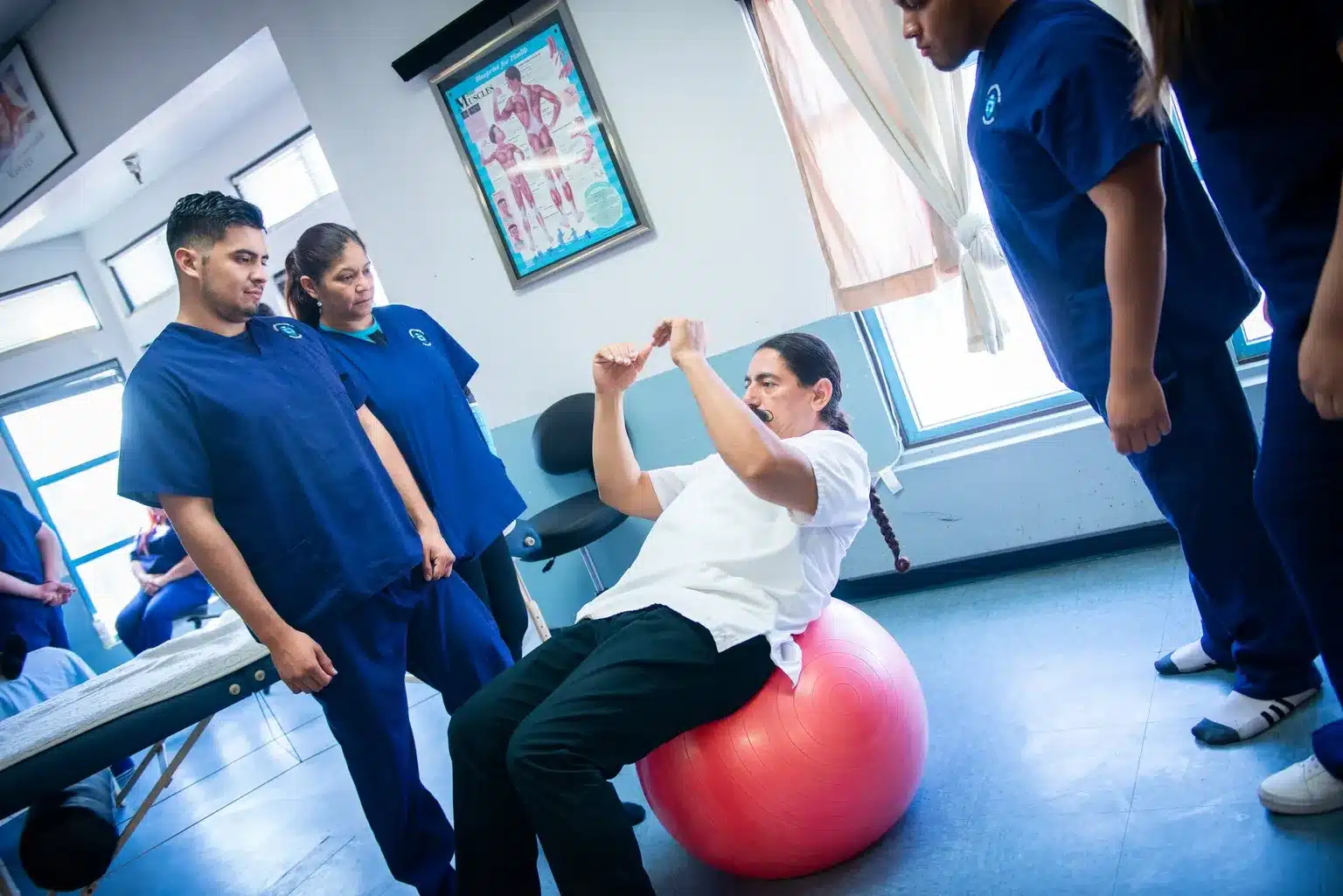
At California Healing Arts College in Carson, the Massage Therapy program combines 800 hours of career-focused education with hands-on training and a 240-hour externship, while graduates receive assistance navigating the CAMTC application process.
If becoming a massage therapist is something you have been seriously considering, you do not have to figure out the training path alone.